
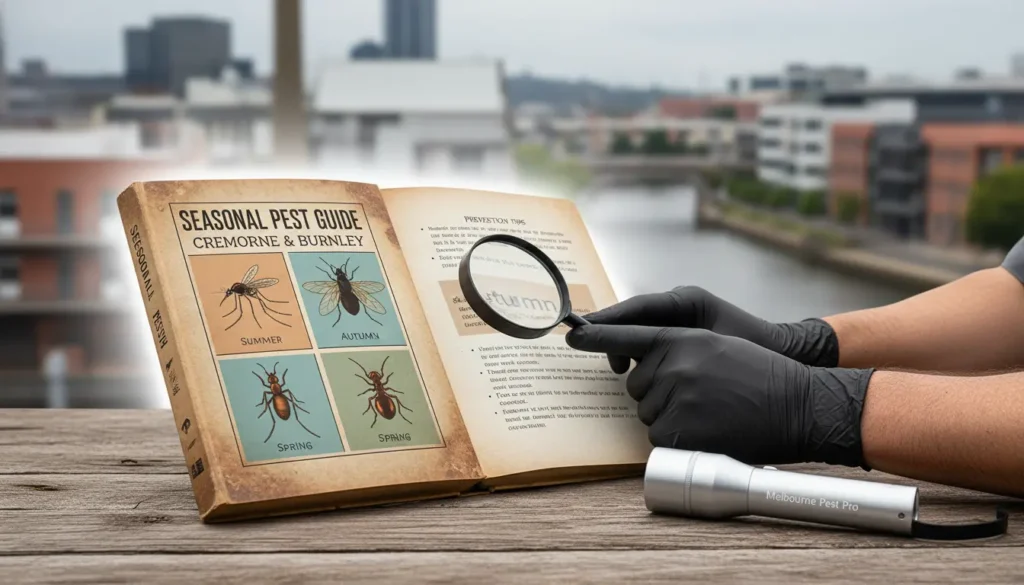
Living in the vibrant suburbs of Cremorne and Burnley means enjoying Melbourne’s dynamic lifestyle, but it also comes with the challenge of seasonal pests. From the humid summers drawing in ants and mosquitoes to the cooler winters inviting rodents indoors, these unwelcome visitors can disrupt your peace and damage your property. At Melbourne Pest Pro, we’ve handled countless cases in these areas, seeing firsthand how local weather patterns exacerbate pest issues. This guide equips you with essential knowledge to stay ahead, offering practical steps to protect your home or business throughout the year. Whether you’re dealing with a sudden infestation or planning preventative measures, understanding seasonal shifts is key to maintaining a pest-free environment in these inner-city spots.
Understanding Seasonal Pest Patterns in Cremorne and Burnley
Cremorne and Burnley, nestled in Melbourne’s inner east, experience a temperate climate that influences pest behaviour dramatically across seasons. This Seasonal Pest Guide for Cremorne and Burnley breaks down the ‘what’ and ‘why’ behind common invaders, helping you anticipate and mitigate risks. Pests thrive on specific conditions: warmth and moisture in spring and summer, shelter and food sources in autumn and winter. For instance, the Yarra River proximity in Cremorne boosts humidity, favouring moisture-loving pests, while Burnley’s residential density can lead to quicker infestations in shared spaces.
Here’s a seasonal overview to make it straightforward:
-
Spring (September-November): As temperatures rise to around 20°C, expect spiders, ants, and cockroaches to emerge. Why? Mild rains create ideal breeding grounds, and gardens burst with food sources. In our experience at Melbourne Pest Pro, we’ve noted a 30% spike in ant trails during this period in Burnley backyards.
-
Summer (December-February): Peak heat, often exceeding 30°C, brings mosquitoes, flies, and termites. The ‘why’ lies in stagnant water from summer storms and open windows for cooling. Cremorne’s urban parks amplify fly populations, posing health risks like disease transmission.
-
Autumn (March-May): Cooling temps around 15-20°C see silverfish and stored product pests like pantry moths. Decaying leaves and reduced outdoor activity drive them indoors. Burnley’s older homes, with timber features, are particularly vulnerable to silverfish damaging books and wallpaper.
- Winter (June-August): Chilly nights dipping to 5°C encourage rodents such as rats and mice seeking warmth. Sealed homes trap them inside, leading to gnawing on wires and insulation. In Cremorne’s commercial zones, we’ve seen rodents exploit rubbish bins more frequently.
These patterns aren’t random; they’re tied to Melbourne’s variable weather, which can shift suddenly due to southern ocean influences. By recognising these cycles, you can implement targeted defences rather than reactive fixes. For more on our residential pest service, which tailors to these local nuances, check out how we help homeowners in similar suburbs.
Actionable Tips for Pest Prevention in Cremorne and Burnley
Preventing pests in Cremorne and Burnley requires proactive, localised strategies that account for Melbourne’s subtropical influences and suburban layouts. With row houses and apartments common in these areas, pests can spread easily between properties, so community vigilance matters. Start by inspecting your space seasonally—focus on entry points like cracks in brickwork, a staple in Burnley’s heritage buildings, or overgrown gardens in Cremorne that harbour nests.
Key how-to steps include:
-
Seal and Screen: Use silicone caulk to fill gaps around doors, windows, and pipes. Install fine-mesh screens on vents and drains. In Melbourne’s humid spells, this blocks 80% of flying insects before they enter.
-
Manage Moisture and Waste: Fix leaks promptly, as dripping taps in older Cremorne homes attract silverfish. Empty bins weekly and use lidded ones—Burnley’s kerbside collection can overflow in wet weather, drawing rats.
- Yard Maintenance: Trim overhanging branches and clear leaf litter, especially near the Yarra in Cremorne. Plant pest-repelling natives like lavender to deter ants naturally.
Local factors amplify these needs: Victoria’s building codes require termite barriers in new constructions, but many pre-1980s homes in Burnley lack them, increasing subterranean termite risks during dry summers followed by rain.
Pro Tip: For an insider secret on rodent control, place peppermint oil-soaked cotton balls in wall voids—rodents detest the scent, and it’s a safe, non-toxic option compliant with Australian pesticide regulations. We’ve used this in countless pre-purchase pest checks for buyers in the area, preventing costly surprises.
Incorporate these habits into your routine, and you’ll reduce infestation chances significantly. If you’re in nearby spots like Caulfield, similar tips apply, but always adapt to your suburb’s microclimate.
Common Mistakes Homeowners Make with Seasonal Pests
In Cremorne and Burnley, well-meaning efforts often backfire due to misconceptions about pest control. One frequent error is relying solely on over-the-counter sprays without addressing root causes. These chemicals might kill visible bugs but ignore nests, leading to rebounds and resistance buildup. Financially, this means repeated purchases—up to $200 annually—plus potential health risks from residue on surfaces in family homes.
Another pitfall: Ignoring seasonal transitions. Many wait for visible signs like droppings before acting, but by then, rodents in winter could have chewed electrical wiring, risking fires that cost thousands in damages and insurance hikes. In Burnley’s dense housing, this can spread to neighbours, breaching local council hygiene bylaws.
DIY traps are popular but often misplaced; setting them in open areas exposes them to pets or kids, violating safety standards. We’ve seen cases where improper baiting attracted more pests, escalating a minor ant issue into a full colony invasion during spring.
Safety-wise, mishandling termite treatments without professional assessment can weaken structures—Burnley’s soil type holds moisture, worsening undetected damage that leads to $10,000+ repairs. Always consult experts to avoid these traps and ensure compliance with Australian pest management guidelines.
Wrapping Up Your Seasonal Pest Strategy
Mastering the Seasonal Pest Guide for Cremorne and Burnley boils down to vigilance, prevention, and timely action. By understanding patterns—spiders in spring, mosquitoes in summer, silverfish in autumn, and rodents in winter—you can protect your property effectively. Implement seals, maintenance, and natural repellents to keep invaders at bay, while steering clear of DIY pitfalls that amplify problems.
For those preferring hands-off solutions, Melbourne Pest Pro brings decades of local expertise to safeguard your space. Our team specialises in tailored treatments that respect Melbourne’s environment. Learn more about us and how we’ve served suburbs like Moonee Ponds. Need help with seasonal pests in Cremorne and Burnley? Call Melbourne Pest Pro today at 0399707667.
Leave a Reply